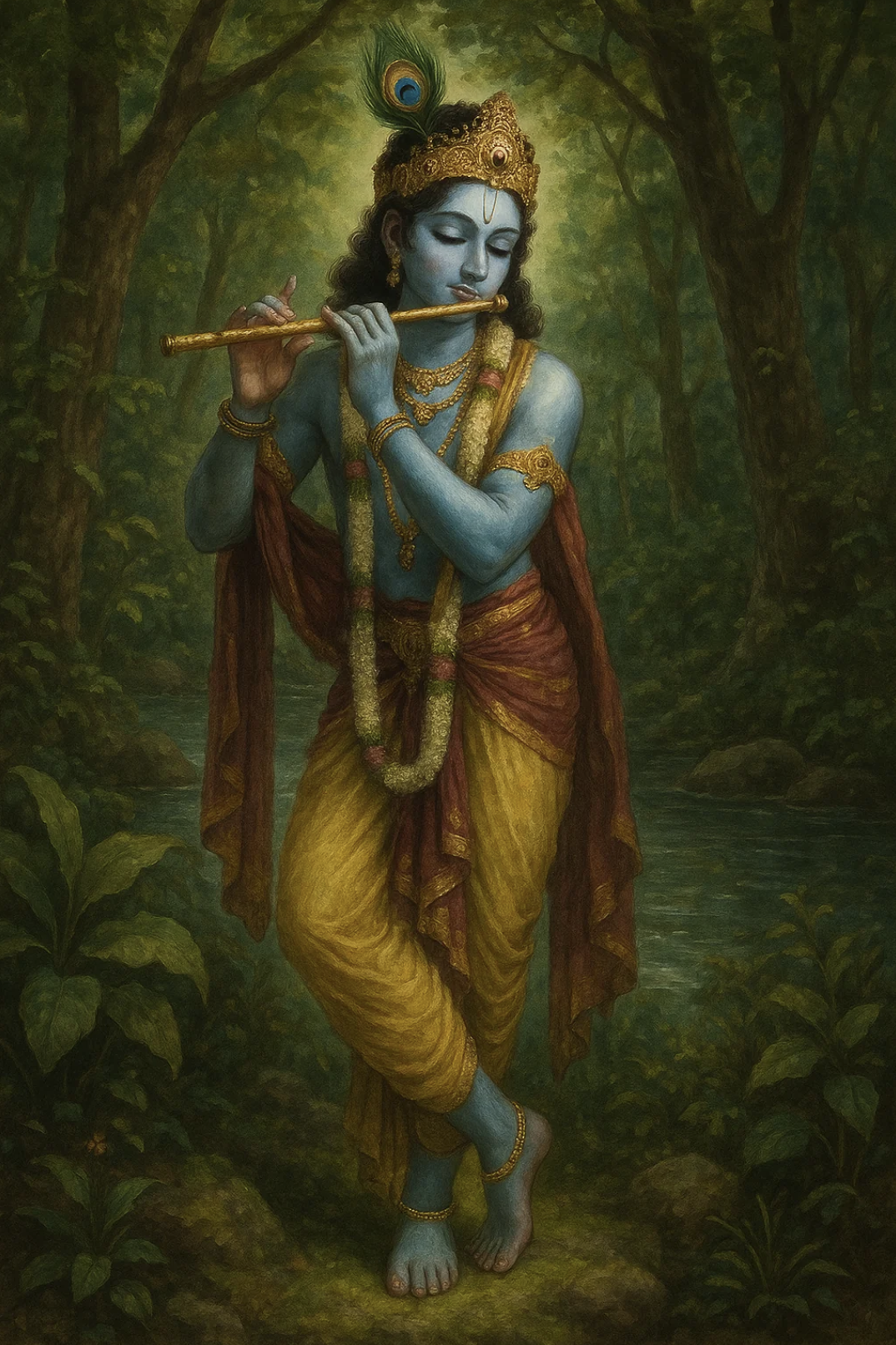
Hari Sharanam!
Sriyut Brahm Bodhi
श्रीयुत ब्रह्मबोधि
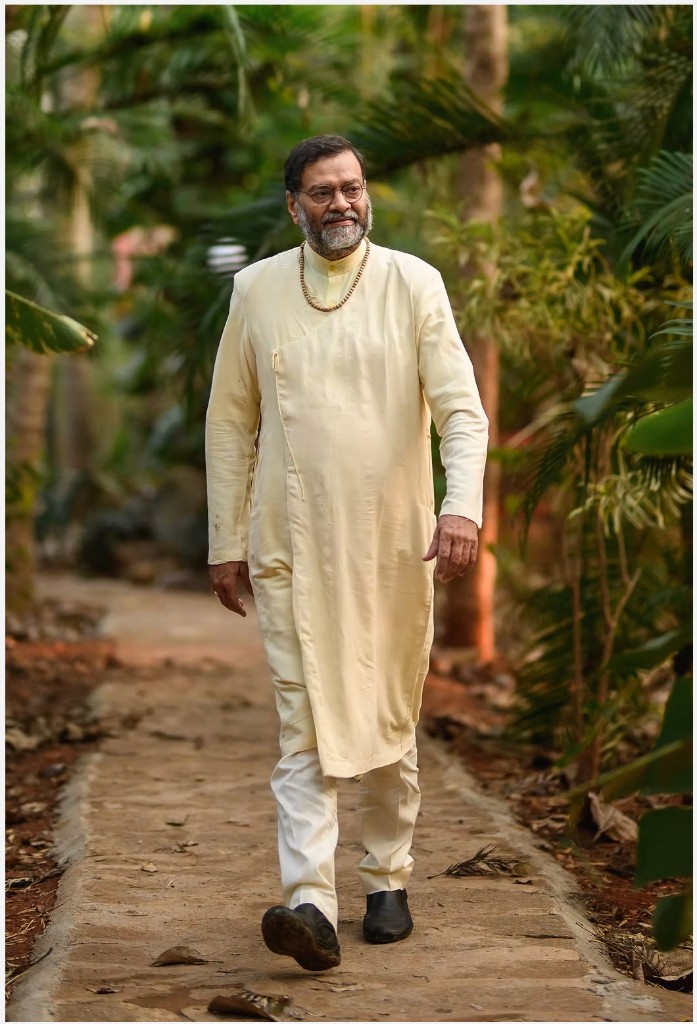
SRIYUT BRAHM BODHI
Hari Sharanam!
Brahm Bodhi stands as a beacon in the spiritual realm — a venerated leader, accomplished author, profound thinker, and dedicated educationist. Holding the esteemed position of Founder and President of the Gita Global Family, he also champions its principles and philosophy as the Head of Bhagavad Dharma, a spiritual path deeply rooted in the teachings of the revered Bhagavad Gita.
Under his visionary leadership, the Gita Global Family has burgeoned into an organisation with far-reaching wings, including the educational pioneer Gita Global Gurukul schools, the enlightening channel of Gita Global Publications, and the yet-to-be-unveiled Gita Dham — a sanctuary conceived as an amalgamation of a Gita temple, a hub dedicated to poverty alleviation, and a vibrant centre promoting art and culture.
Brahm Bodhi is committed to unlocking the boundless potential within individuals and communities, propelling them towards a life rich in purpose and fulfilment. A staunch advocate for education and personal growth, he has embarked on a journey of empowerment, seeding knowledge and fostering development for years.
We invite you to delve deeper into the multifaceted world of Brahm Bodhi through this portal — an enriching assembly of his oeuvre, encompassing insightful articles, transformative videos, and enlightening books, all curated to guide you towards a life of heightened fulfilment and purpose.
A Defining Moment
The experience that changed the direction of a successful life
An experience that turned the course of a successful and distinguished life — one that millions dream of, marked by success, prestige, and recognition.
What led Sriyut Brahm Bodhi to walk away from such a path? Was it merely a personal decision, or was there a deeper, unseen calling behind it?
This short film shares a true story that invites reflection on life, destiny, and the role of the Divine.
Watch on YouTubeKarma Yoga
Brahm Bodhi's Karma Yoga
Before fully dedicating himself to spirituality and authorship, Brahm Bodhi actively practised the Karma Yoga of the Bhagavad Gita, collaborating with esteemed individuals across many disciplines.

Siddharth, IPS — Now Brahm Bodhi
Worked as Additional Director General of Police
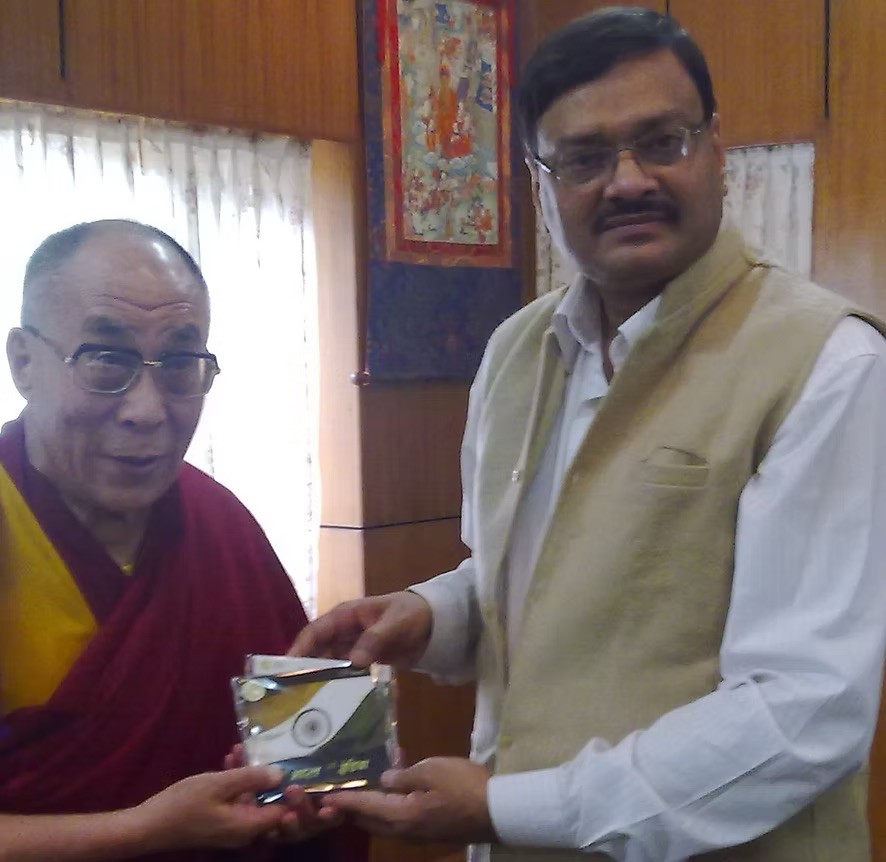
With Dalai Lama, 2010
HH Dalai Lama launching Sri Siddharth's poetry collection
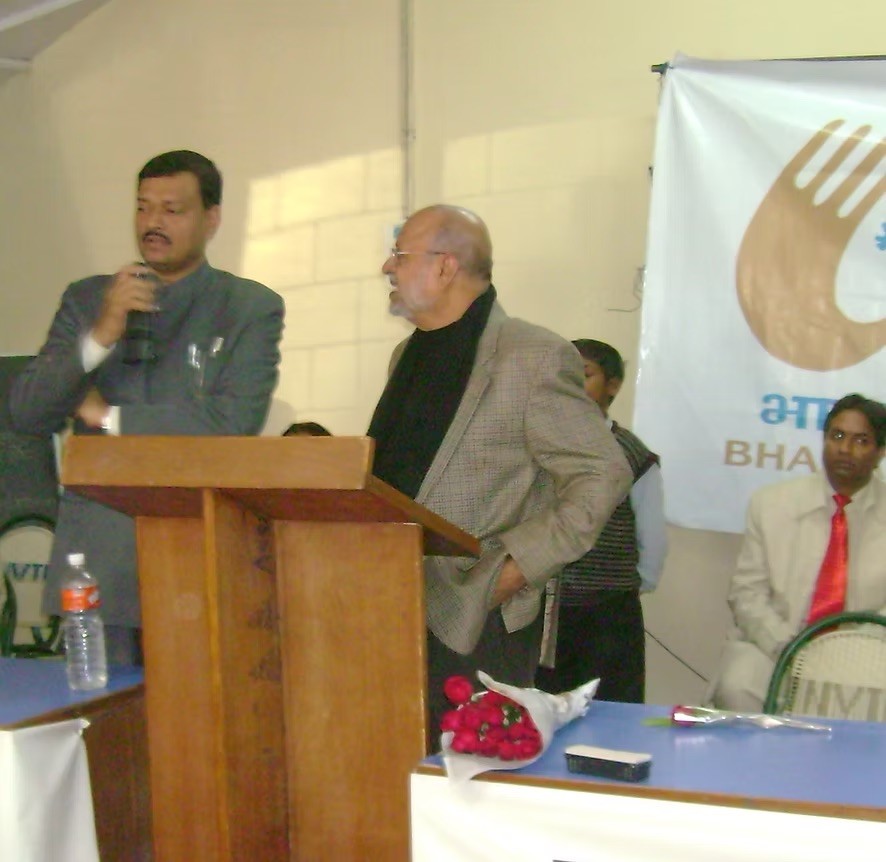
With Shyam Benegal, film director
During a children's camp at New Delhi, 2007
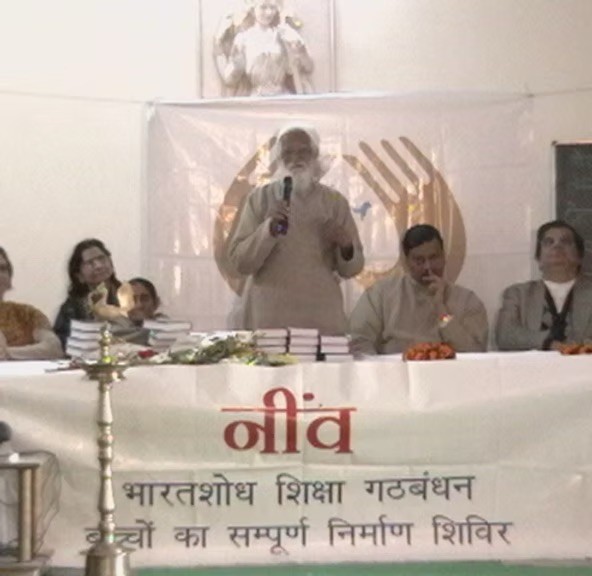
With Sundarlal Bahuguna, environmentalist
At a children's camp in Rishikesh, Uttarakhand
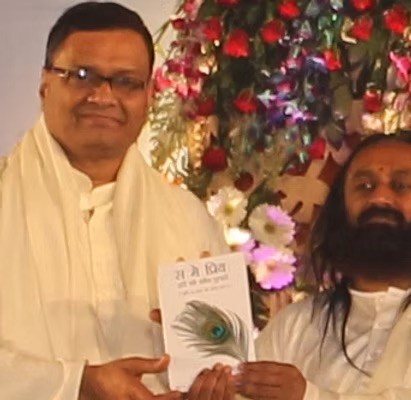
With Sri Sri Ravi Shankar, spiritual leader
Ravi Shankar launching Sri Siddharth's book at New Delhi
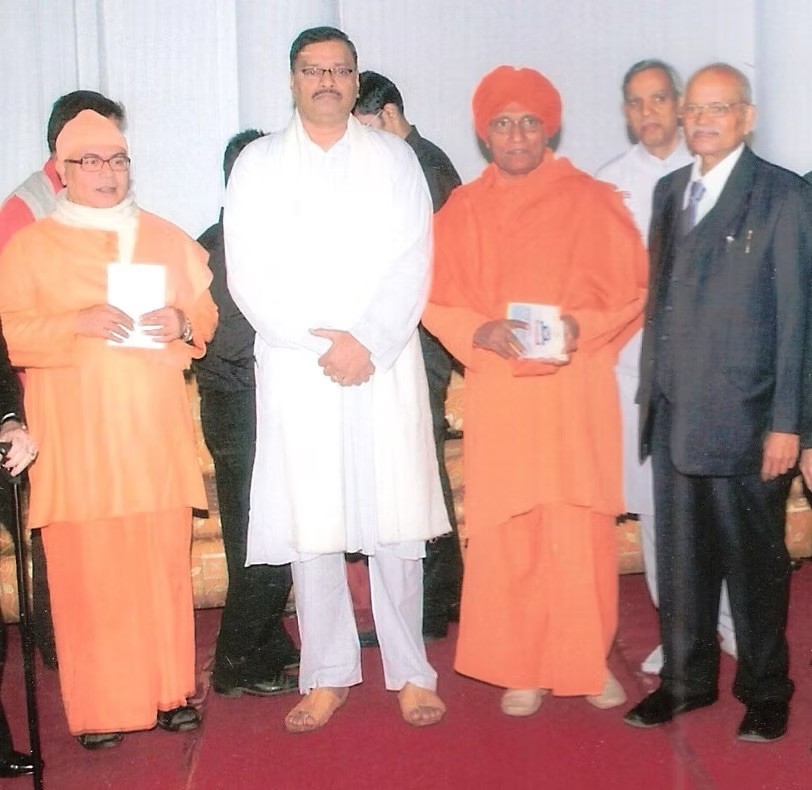
With Swami Agnivesh and Mr Kanodia
At World Confluence in Kolkata, 2011
Newspaper Articles
These articles were published in various national English newspapers when he served as a civil servant, prior to adopting his spiritual name, Brahm Bodhi.
Conversations of Wisdom
Q&A with Brahm Bodhi
Real questions asked by seekers — answered with timeless insights drawn from the Bhagavad Gita and the lived experience of Sriyut Brahm Bodhi.

How can a person maintain a balance between their duties and their personal desires?
A seeker asks Gurudev how one may balance duty with personal desire. Brahm Bodhi explains that the difficulty arises only when selfish desires obstruct our duties — and that the remedy lies in regulating the mind. Drawing on the third chapter of the Bhagavad Gita, he shows how desire dwells in the senses, mind and intellect, and how, by refining the intellect through daily self-study and self-observation, a person can keep the senses and mind under control and perform their duties without having to abandon their good desires.
Read answer
Pitru Paksha: what should be done and what should be avoided?
As Pitru Paksha approaches, seekers ask how it should rightly be observed. Brahm Bodhi explains that the very word Shraddha comes from shraddha — faith and heartfelt reverence — so its essence is loving remembrance of one’s ancestors, not money or display. He describes the three forms of Shraddha, a simple way to offer Tarpana oneself when a priest is not available, and what should be done and avoided during these sacred fifteen days.
Read answer
Why did Sri Krishna not directly address some of Arjuna’s serious concerns (Gita 1.38–44) about the destruction of war?
A seeker asks why, in the first chapter of the Gita (verses 1.38–44), Bhagavan Sri Krishna gives no separate reply to Arjuna’s grave apprehensions about the ruin of families and the fate of war-widows — and whether the carnage might have been avoided had the Pandavas simply retired to the forest. Brahm Bodhi explains Krishna’s refined method: rather than rebutting each inference like a court, he lifts Arjuna’s vision from “I and my family” to svadharma, selfless action and, finally, lokasangraha — the welfare of all.
Read answer
How can the conscious and subconscious mind be disciplined and made an instrument of self-welfare and the welfare of all?
A seeker asks Brahm Bodhi to explain the conscious and subconscious mind, so that human society may cultivate right action and keep the Earth clean and beautiful. Brahm Bodhi maps the mind at three levels — conscious, subconscious and unconscious — and shows, through the Gita’s teaching of abhyasa and vairagya, how the conscious mind becomes the laboratory in which deep samskaras are purified, so that inner transformation flowers outward as the welfare of family, society and nature.
Read answer
The journey towards Moksha: is liberation attained through solitary sadhana, or while living amidst family and society? (Part 1)
A retired doctor, drawn to God and temple service since childhood, asks Brahm Bodhi what his lifelong austerities, japa and meditation have attained — and whether one should serve society or seek solitude for knowledge and devotion. Brahm Bodhi lays the groundwork: no sadhana is wasted, yet the journey to moksha, like a long voyage, is best completed with the right means in this very lifetime.
Read answer
Spiritual Technology and Psychological Engineering for God-realization: what is “Sadhana-Pravesh”? (Part 2)
Returning to Khera Ji’s question, Brahm Bodhi announces a new gateway — “Sadhana-Pravesh” — on the Bhagavad Dharma website (www.gitadharma.org): a structured, six-month series of practices in “Spiritual Technology” and “Psychological Engineering.” Just as a good crop needs prepared soil, the mind must be cultivated before the seed of a mantra can flower; Sadhana-Pravesh is designed to prepare that inner soil and greatly accelerate the journey toward God-realization.
Read answerWalk the Path of Wisdom
Join Sriyut Brahm Bodhi on a transformative journey guided by the eternal teachings of the Bhagavad Gita.